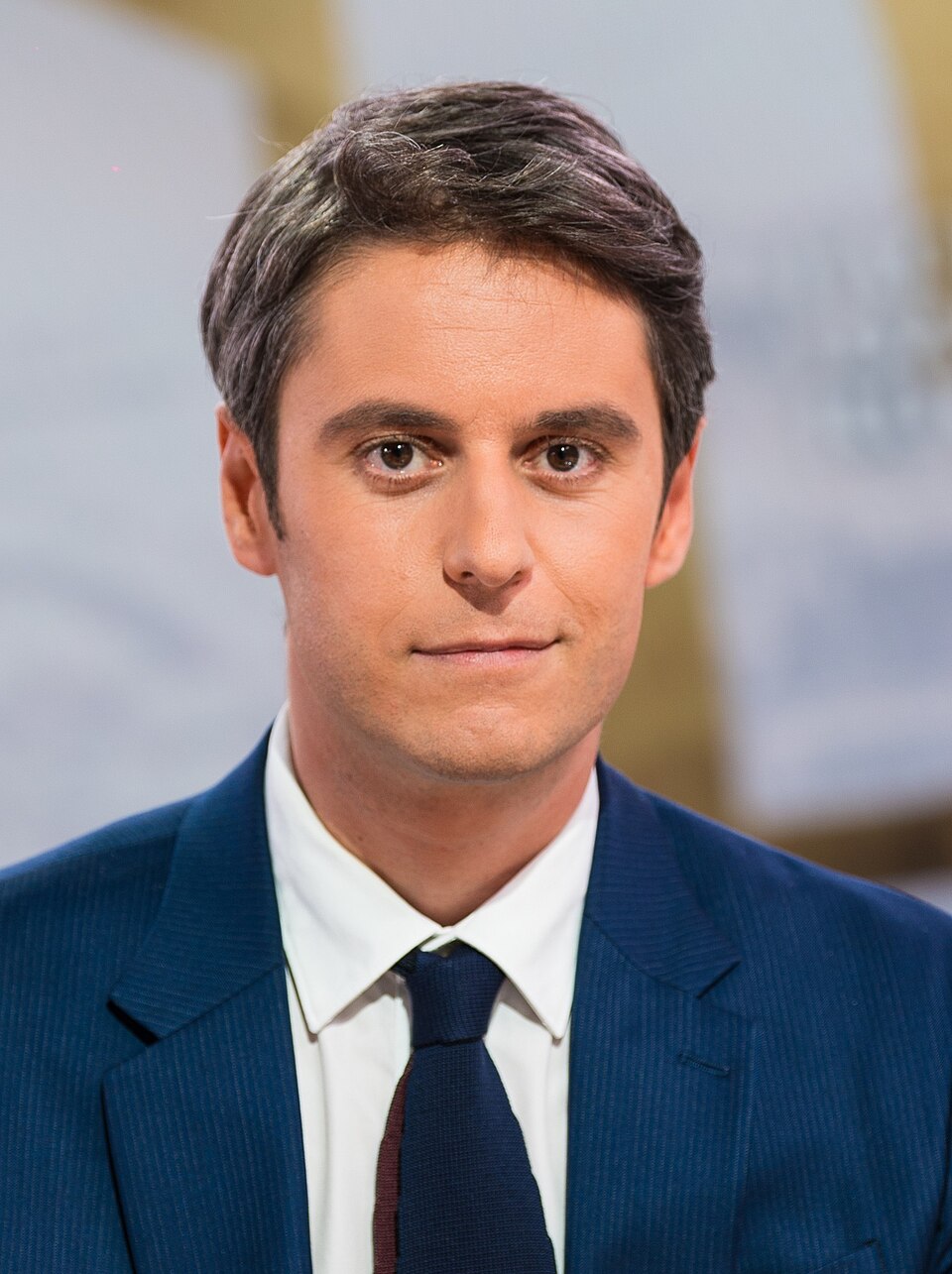
In the aftermath of recent political turbulence and the dissolution of the National Assembly, France finds itself at a pivotal juncture, a "field of ruins" as some have described it. Amidst this volatile landscape, one figure has rapidly emerged as a central player, strategically positioning himself not only for domestic leadership but also to shape France's future global standing: Gabriel Attal. The youngest Prime Minister in the Fifth Republic’s history, Attal, a mere 34, is now widely seen as a formidable contender for the 2027 presidential election, meticulously crafting his public image and policy stances to appeal to a broad electorate. His journey, marked by swift ascensions and bold political manoeuvres, is redefining the contours of France’s central political bloc and, by extension, its attal position internationale.
Gabriel Attal's Ascent: From Youngest PM to Presidential Contender
Gabriel Attal's political trajectory has been nothing short of meteoric. Appointed Prime Minister by President Emmanuel Macron at just 34, he not only shattered age records but also became the first openly gay official to hold such a prominent role in France. This appointment, part of a broader cabinet reshuffle initiated by Macron to inject new dynamism into his government, immediately thrust Attal onto the national and international stage. While the Prime Minister in the French system is appointed by the president and primarily responsible for implementing domestic policies and coordinating ministers, Attal’s youth and charisma instantly projected a renewed image of France.
His rapid rise isn't merely a tale of youthful charm; it's underpinned by substantial political experience. Joining the Socialist Party at 17, Attal quickly distinguished himself, serving in various junior ministerial roles before his ultimate promotion to Matignon. His eight months as Prime Minister, though brief, provided a high-profile platform, allowing him to demonstrate his leadership capabilities and connect directly with the French public. This period has undeniably solidified his political capital, positioning him as a viable successor to Macron. The question now is how he leverages this domestic strength to carve out a distinct attal position internationale for himself and for France.
Shifting Stances and Strategic Radicality for 2027
As the 2027 presidential race looms, Gabriel Attal has adopted a noticeably tougher political line, a strategic pivot designed to resonate with a perceived societal demand for greater "radicality" – a call for more decisive and firm action. He has taken unambiguous stances on critical issues such as security, justice, and immigration. This shift is not without its risks; it has, predictably, alienated elements of his party’s traditional left wing, sparking internal dissent and prompting criticism from figures like former Prime Minister Elisabeth Borne, who has openly lamented the focus on personal ambition over collective party spirit.
Attal's strategy aims to solidify his status as the natural heir to the central bloc, directly challenging potential rivals like Édouard Philippe, with whom the polling gap has steadily narrowed. By embracing what some might call a more right-leaning discourse on certain key issues, Attal appears to be attempting to capture a broader voter base, including those disaffected by traditional parties. This delicate balancing act – appealing to the center while borrowing rhetoric from the right – is a common tactic in French presidential campaigns, yet Attal’s execution, often criticized as a "coup de com'" (communication stunt), suggests a highly image-conscious approach. Furthermore, his perceived growing distance from President Macron, to whom he largely owes his initial prominence, has ruffled feathers within the Elysée's inner circle. For a deeper dive into the initial stages of his political positioning, you might find attal position internationale - Article 1 particularly insightful.
From a strategic perspective, Attal’s calculated move towards firmer positions can be interpreted as an effort to define his own political brand distinct from Macron’s, while simultaneously addressing public concerns. Leaders who project domestic strength and clarity on internal issues often enhance their credibility on the international stage, as it demonstrates an ability to govern effectively and maintain national cohesion.
The Evolving Face of the Central Bloc: Nouvelle République and Beyond
A significant indicator of Gabriel Attal's assertive positioning for 2027 is the imminent rebranding of the party created by Emmanuel Macron in 2016. Soon to be known as "Nouvelle République" (New Republic), this name change is more than a superficial alteration; it symbolizes a potential shift in leadership and ideological direction. It signals Attal's intention to imprint his vision on the central movement, potentially moving it beyond the singular identity of its founder. This rebranding suggests a collective desire for a new chapter, albeit one carefully aligned with a distinct project and vision for France's future.
Beyond the name change, Attal is employing a traditional, yet accelerating, "stratégie des petits pas" (strategy of small steps) to build momentum for his presidential bid. The release of his first book after the municipal elections in March serves as a classic platform for presidential hopefuls to articulate their vision and engage with the electorate on a deeper intellectual level. This is being complemented by high-profile public gatherings, such as the large meeting at the Palais Brognard in Paris, designed to galvanize support and project an image of a dynamic, forward-looking movement. These actions are crucial in shaping not only his domestic standing but also how the world perceives France’s political future and its potential attal position internationale under new leadership.
Navigating Challenges and Opportunities on the Path to the Elysée
Gabriel Attal’s ambitious trajectory is, however, fraught with challenges. The internal dissent within the central bloc, coupled with accusations of personal ambition overriding collective spirit, presents a formidable hurdle. Balancing loyalty to President Macron – to whom he is indebted for his initial rise – with his own burgeoning presidential aspirations requires considerable political dexterity. The upcoming municipal elections will serve as a crucial test of his, and the rebranded party's, ability to build grassroots support and generate positive momentum. A strong showing could significantly bolster his claims as the central bloc’s legitimate leader.
From an international perspective, a French leader's credibility abroad is often directly linked to their perceived strength and stability at home. Attal’s ability to unite disparate factions, articulate a clear vision for France, and demonstrate effective governance will be key to solidifying any future attal position internationale. A France led by a youthful, reform-minded figure who has navigated internal political turmoil and successfully implemented a new vision could project an image of dynamism and resilience on the global stage, enhancing its diplomatic influence and economic partnerships. For more on the ongoing strategic developments and public reactions, consider reading attal position internationale - Article 3.
For any aspiring national leader, cultivating an international position begins with domestic success. A clear mandate, a cohesive government, and a strong national identity are prerequisites for effectively engaging in global diplomacy, trade negotiations, and international alliances. Attal's current domestic positioning, therefore, is a foundational step towards defining France's future standing in the world.
In conclusion, Gabriel Attal's rapid ascent and calculated positioning mark a significant moment in contemporary French politics. As he navigates the complex path towards the 2027 presidential election, his strategic shifts on key policy areas, the rebranding of the central party, and his accelerated public engagement are all deliberate steps in crafting a distinct political identity. The outcome of these manoeuvres will not only determine the future leadership of France but will also profoundly influence the nation's direction, its internal stability, and ultimately, its dynamic and evolving attal position internationale on the global stage. His journey embodies the ambitions of a new generation seeking to redefine France's political landscape and its role in an increasingly complex world.